 AutiFlow
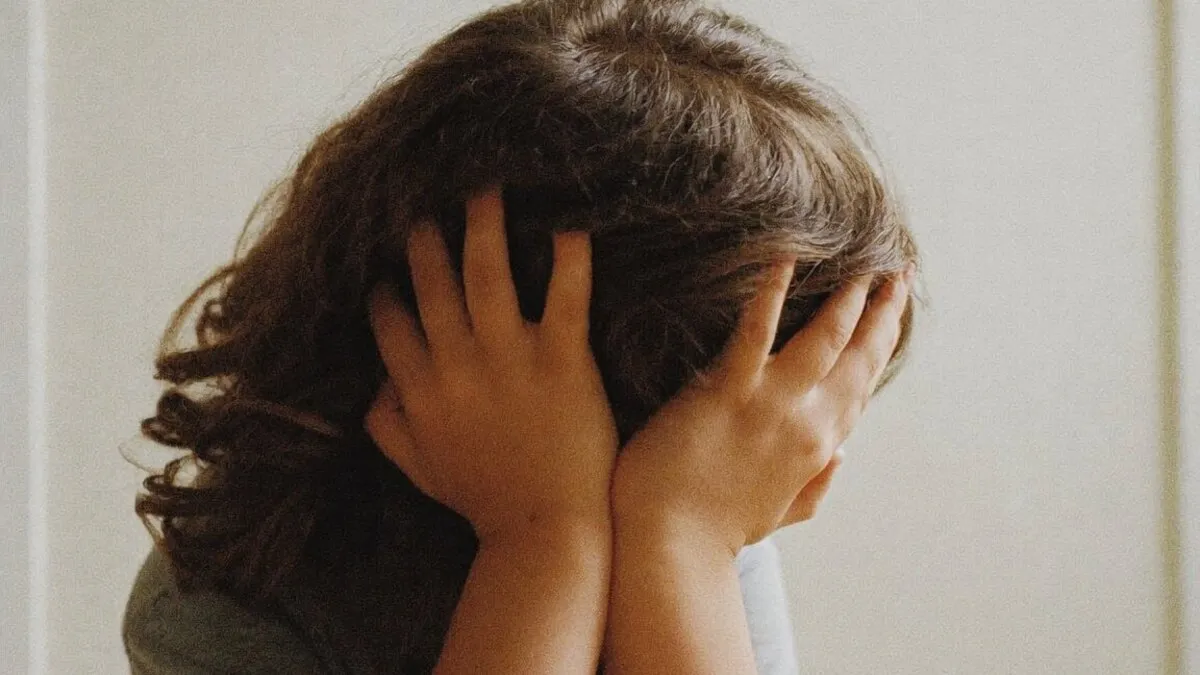
Many things autistic kids do get labeled as “bad behavior”: being picky, ignoring you, running off, being rude. Often there’s a different story underneath. A child whose senses are overloaded is trying to cope with a world that feels too loud, too bright or too much, and the behavior is how they’re coping.
Here are six that are often misread.
1. Refusing to eat
The texture, smell, temperature or even the sound of food can feel overwhelming. Mixed textures, crunchy coatings or strong smells can be genuinely hard. It’s rarely about being picky on purpose.
What helps: keep a few safe foods available, introduce new ones slowly and without pressure, and notice which textures or smells are the problem.
2. Not answering when you call their name
When a child’s senses are busy, processing words takes much longer, especially if there’s background noise. They may not have heard you over everything else, or they heard you and couldn’t respond yet.
What helps: get close, get down to their level, and wait a little longer than feels natural. Use fewer words, and give them time to answer.
3. Running off in busy places
Loud, crowded spaces like supermarkets, parties or school pickup can trigger fight-or-flight. Running is a child’s body trying to escape the noise.
What helps: safety first, always. Then plan ahead: shorter trips, quieter times of day, headphones, a clear “first we do this, then we go home” plan, and an agreed safe spot.
4. Taking off shoes or clothes
Tags, seams, tight waistbands and scratchy fabric can actually hurt, and the feeling grows when a child is already overloaded. Taking them off is about comfort, not defiance.
What helps: soft, tag-free clothes, the same few trusted items, and letting shoes come off when it’s safe.
5. Humming or making loud noises
Their own sound can block out sounds that are too much, or help them stay steady. It’s a coping tool, even when it’s inconvenient.
What helps: if the noise isn’t a problem, let it be. If it is, offer another way to block sound, like headphones, rather than just asking them to stop.
6. Falling apart right after school
Many kids hold it together all day at school, then let it all out at home, with you. It can feel unfair, but it’s a sign home is their safe place.
What helps: a calm, quiet landing after school: a snack, no questions for a while, time alone or a favorite activity before homework or talking about the day.
A different question to ask
Before asking “how do I stop this?”, ask “what is their body telling me?”
That question often points to something you can change: the noise, the light, the clothes, the plan. If you’d like to understand the bigger picture, read meltdown or tantrum? and the early signs of a meltdown.